
Imagine standing on a sun-dappled boardwalk, watching gentle giants break the surface of the water just feet away. Manatee Park in Fort Myers offers exactly this experience.
This non-captive winter refuge is where visitors can reliably see wild Florida manatees from mid-November through March. The park makes an ideal outing for families visiting Fort Myers, combining accessible viewing areas, a playground, butterfly gardens, and kayaking opportunities along the Orange River.
Curious about these peaceful creatures? Book a stay in Fort Myers, and you’ll be one step closer to one of Florida’s most rewarding wildlife encounters.
Manatee Park, Fort Myers: The Basics
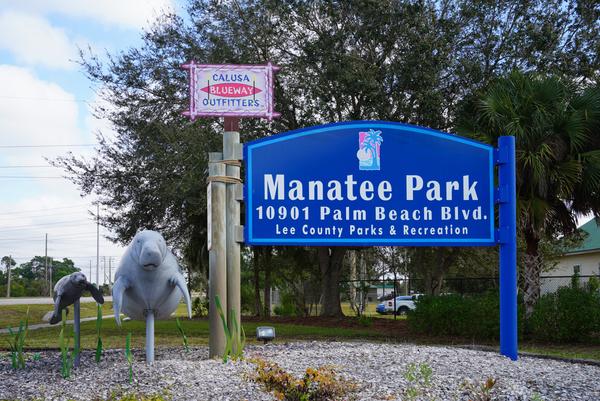
Photo Credit: EQRoy
Manatee Park is a 17-acre eco-discovery park and a reliable place to see manatees in their natural habitat rather than captivity.
The adjacent Florida Power plant produces clean warm water discharge as a byproduct of equipment cooling, creating a canal that stays above 68°F year-round. When Gulf waters drop below this threshold during the winter months, manatees congregate near this natural hot tub for thermoregulation.
Visiting the park is one of the best things to do near Fort Myers. All ages can enjoy manatee viewing from shore along walking paths and boardwalks, explore native plant trails, picnic under pavilions, or paddle the Orange River with manatee-safe guidelines.
Wildlife enthusiasts and photographers find the park ideal for high-probability manatee encounters without entering the water. Families with children appreciate the stroller-friendly paths, playgrounds, educational programs, and butterfly gardens that make the park an accessible half-day outing.
Beginner paddlers enjoy the calm, slow-moving waters under guidance from experienced tour leaders, while budget travelers benefit from free admission compared to expensive boat tours elsewhere in Florida.
Best Time to See Manatees at Manatee Park
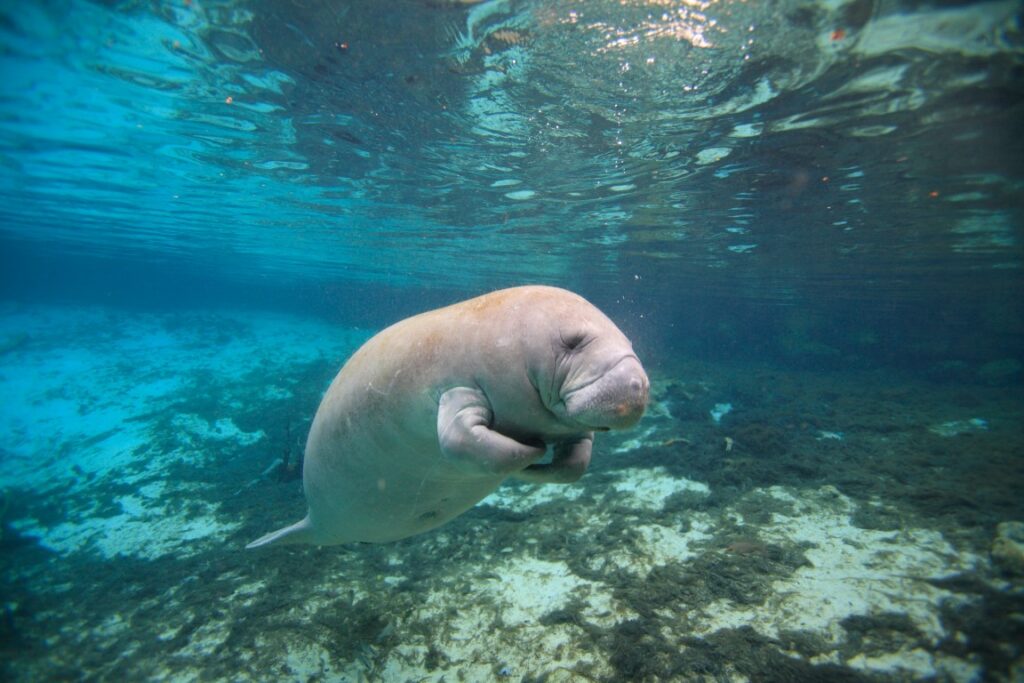
Photo Credit: Thierry Eidenweil
Manatee season typically runs from mid-November through late March, with peak viewing in late December, January, and February. Cold fronts that drop water temperatures trigger manatees to head toward the warm waters closer to shore.
From April through early November, manatees are often absent from the canal entirely. They disperse into the Caloosahatchee River, the Gulf of Mexico, and surrounding estuaries when waters warm naturally.
The best time of day to see manatees at the park during winter is cool mornings after cold nights. This is when animals cluster closest to the outflow.
Recent reports indicate manatees are being seen more frequently on the Orange River itself rather than deep inside the canal, making kayaking a particularly good option.
Check current conditions on the Lee County Parks website before your visit to confirm sighting activity.
Manatee Park Hours, Seasonal Operations & Closures
Manatee Park operates year-round, but manatee-focused activity centers on the colder months. Here’s what you need to know:
- Opening hours: The park is open daily from 8 a.m. to sunset, including most holidays. Closing time shifts seasonally as sunset changes.
- Peak season: Core manatee sightings are in December through April, though grounds and facilities remain open in spring and summer.
- Launch: The public paddlecraft launch for kayak, canoe, and SUP is available during normal park hours unless closed for safety or special events.
- Fishing: Prohibited during manatee season (December 1 to April 30) to prevent injury from hooks and lines, but permitted the rest of the year.
- Kayak rentals: Available on-site, typically from 8 a.m. to 5 p.m. in winter and 9 a.m. and 4 p.m. in summer.
Manatee Viewing from Shore
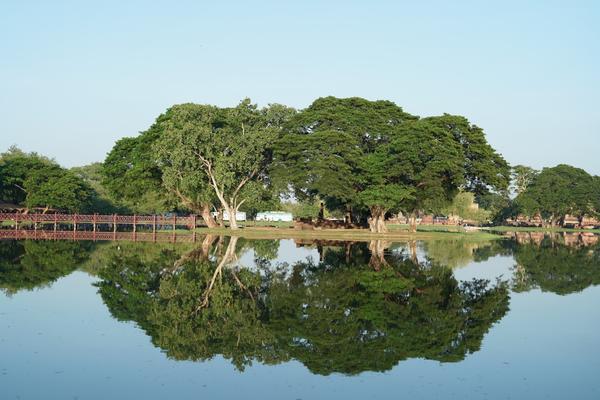
Photo Credit: Firstpla
The simplest way to enjoy Manatee Park is from the observation decks and boardwalks overlooking the warm water discharge canal and Orange River confluence.
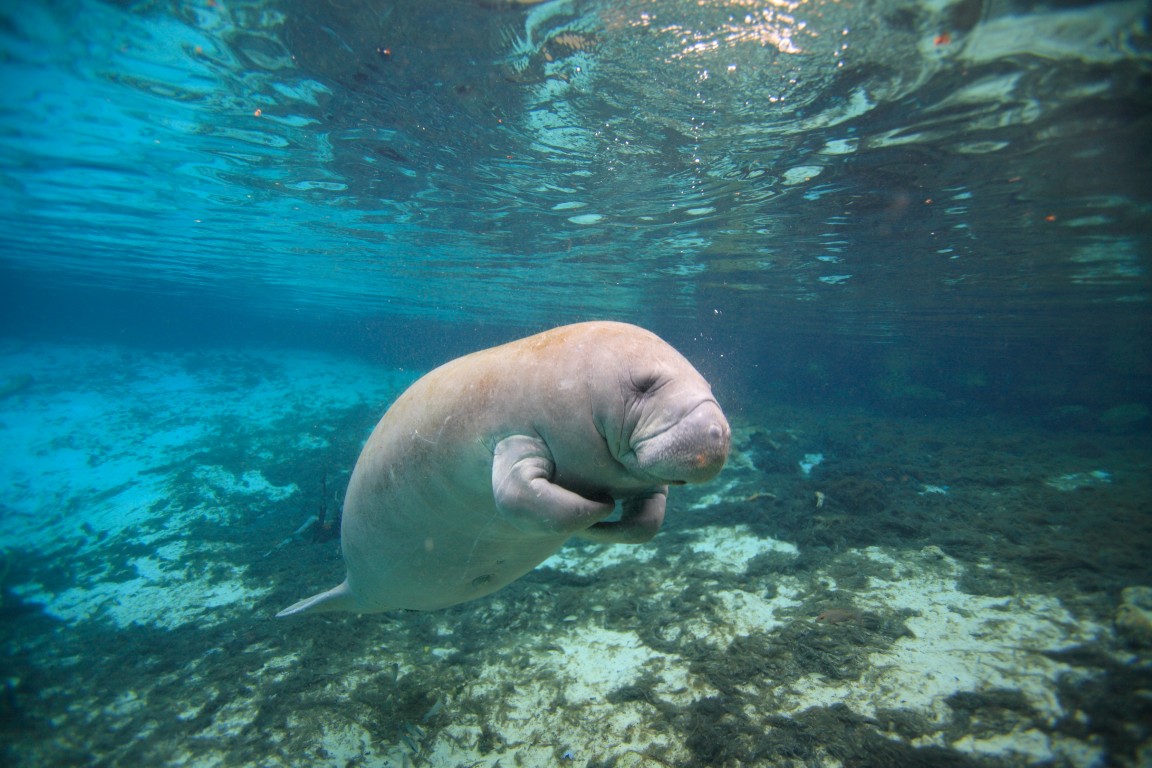
Walk along the fenced concrete path on a crisp winter morning, and you’ll spot manatees surfacing every three to five minutes to breathe, their whiskery snouts and paddle-shaped flippers breaking through the water.
Many animals bear propeller scars from past boat strikes, a quiet reminder of why this rescue and refuge spot matters.
Bring binoculars or a zoom lens for photography, and walk the full boardwalk length for different viewing angles. In colder winters, dozens of manatees may congregate, rolling and tail-slapping as they feed and rest. Keep voices low, stay behind railings, and never attempt to touch or feed the animals.
During peak winter months, biologists from the Florida Fish and Wildlife Conservation Commission may be present conducting studies into manatee behavior and park ecology.
Kayaking with Manatees on the Orange River
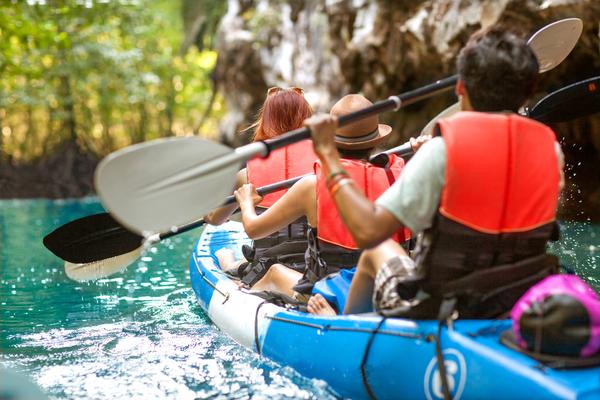
Photo Credit: Rock and Wasp
Kayaking from Manatee Park onto the Orange River offers one of the most immersive ways to view wild manatees up close in their natural environment.
When animals spread out from the main canal, especially in March, paddling becomes the prime method for encounters. The slow-moving water flows gently through mangroves and past birds, turtles, and occasionally alligators, creating a serene ecosystem worth exploring.
Visitors can launch their own equipment or rent through on-site providers. Manatee Kayaking Company offers guided kayaking tours and casual rentals during winter, with tours running mid-November through March. Rentals typically include kayaks, paddles, life jackets, a basic paddling lesson, and a simple river map.
Serious paddlers can combine manatee viewing with birdwatching and exploration of the broader Caloosahatchee basin.
Rules, Regulations & Manatee Protection Guidelines
Protecting manatees is a shared responsibility for every visitor. Florida manatees remain protected under federal and state law, including the Marine Mammal Protection Act and Endangered Species Act, making it illegal to harass, hunt, capture, feed, or disturb them.
Here are some basic ground rules to keep the manatees happy and healthy:
- Never touch, feed, chase, or attempt to ride manatees. Always keep a respectful distance.
- Designated manatee zones require slow vessel speeds; paddlers should avoid sudden direction changes around animals.
- Fishing is restricted or prohibited in the canal during manatee season to prevent entanglement and injury.
- Only service animals are permitted; dogs and other pets are not allowed in wildlife-sensitive areas.
Planning Your Visit: Parking, Fees & Practical Tips
Admission to Manatee Park is free, but parking fees apply. Previous years listed rates around $2 per hour or $5 per day. Verify current fees on the park page before arriving, and note that annual Lee County Parks passes are accepted.
Arrive early on cold weekend mornings in peak season when lots fill quickly, and manatee activity is best.
Pack a picnic to enjoy at tables or under covered picnic shelters with charcoal grills, and use provided bins to keep facilities clean.
Restrooms, drinking fountains, and playgrounds are available throughout the park.
Enjoy Florida’s Manatees in Their Natural Habitat
Few experiences match watching these gentle sea cows glide through warm waters on a crisp Florida morning. Whether you spot them from the boardwalks or paddle alongside them on the Orange River, Manatee Park delivers accessible, meaningful wildlife encounters worth the visit.
No need to charter a boat or go for a long inland drive to see manatees here. Simply book your Fort Myers stay close to the park, and prepare to be face-to-face with one of these gentle giants.